LEAVE A COMMENT
Comment Form is loading comments...

Learners Crib provides rich and engaging learning sessions tailored to assist learners achieve their academic goals. Leveraging on deep pedagogy and technological tools thereby enhancing learners critical thinking, problem-solving and creativity skills.
Sign Up
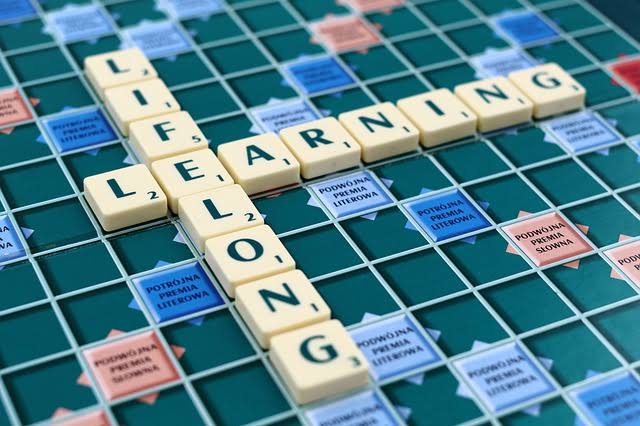
Title: 10 Educational Games for Children
Introduction:
Engaging children in games not only provides entertainment but also enhances their cognitive, social, and motor skills. While some games require adult supervision, there are numerous options that children between the ages of 3 and 10 can enjoy independently or with minimal assistance. In this article, we'll explore 10 practical games that promote learning, creativity, and independent play. Let's dive in!
Puzzle Mania:
Puzzles are excellent for developing problem-solving skills and hand-eye coordination. Choose age-appropriate puzzles with large, sturdy pieces. Encourage your child to solve the puzzle independently, starting with simpler ones and gradually progressing to more complex designs.
Build It Up:
Construction toys, such as building blocks or magnetic tiles, encourage creativity and fine motor skills. Provide your child with a variety of shapes and colors, and let their imagination run wild. They can build towers, and houses, or even create their world!
Memory Match:
Memory games boost concentration and cognitive skills. Create a set of cards by drawing or printing pictures and cutting them into pairs. Lay them face-down, and encourage your child to find matching pairs by flipping them over two at a time. This game can be played alone or with siblings/friends.
Treasure Hunt:
Set up a treasure hunt in your home or backyard, hiding clues or small treasures for your child to discover. Write or draw simple instructions and hide them strategically. Let your child follow the clues independently, fostering problem-solving abilities and excitement.
Storytelling Adventure:
Encourage your child's creativity and language skills with a storytelling game. Provide them with a starting point, like "Once upon a time, there was a magical forest..." and let them continue the story. This game can be played alone or with siblings/friends, taking turns adding to the narrative.
DIY Art:
Artistic expression is vital for children's development. Set up an art corner with various supplies like paper, crayons, colored pencils, and stickers. Encourage your child to create their masterpieces without relying on adult guidance. This allows them to explore their creativity freely.
Simon Says:
A classic game that promotes listening skills and coordination. One player acts as "Simon" and gives instructions like "Simon says touch your nose." Participants should only follow the instructions if "Simon says" precedes them. The last person standing becomes the next Simon.
Obstacle Course:
Create an obstacle course using pillows, chairs, hula hoops, or cones. Let your child navigate through the course independently, enhancing their motor skills, coordination, and problem-solving abilities. Encourage them to time themselves for an extra challenge!
Board Game Bonanza:
Choose age-appropriate board games that your child can play independently. Games like Snakes and Ladders, Candy Land, or Chutes and Ladders usually have simple rules that children can easily understand and follow. Playing board games also teaches patience, turn-taking, and basic counting skills.
Science Experiments:
Engage your child's curiosity with simple science experiments. With proper safety precautions and supervision for certain experiments, provide instructions and let them explore scientific concepts like mixing colors, making a volcano erupt, or observing plant growth. These activities encourage critical thinking and inquiry.
Conclusion:
Encouraging independent play not only allows children to have fun but also helps them develop essential skills like problem-solving, creativity, and self-reliance. Remember, it's crucial to choose age-appropriate activities and ensure a safe environment.